

Best Portable Bottle Warmer for Formula: A Guide for UK Parents


Feeding your baby while you're out and about can be challenging enough without searching for somewhere to warm a bottle.
A portable bottle warmer can make feeding away from home more convenient, particularly if your baby prefers their milk warm. But with so many different types available, how do you know which one is right for your routine?
The best portable bottle warmer is one that is easy to carry, simple to use, compatible with your bottles and able to warm milk evenly without creating hot spots.
Before choosing one, however, it's important to understand the difference between preparing formula safely and simply warming a prepared bottle.
Do babies need warm formula?
Not necessarily.
Some babies are happy to drink formula at room temperature, while others prefer it warmed. The NHS recommends testing a feed on the inside of your wrist before giving it to your baby. It should feel warm or cool rather than hot.
Warming formula is therefore largely about your baby's preference.
If your baby is perfectly happy with a cool feed, you don't necessarily need a bottle warmer. But if they prefer their milk warm, having a convenient way to warm a prepared bottle can make feeding away from home much easier.
Formula preparation comes first
If you're using powdered infant formula, a bottle warmer should not be used as a substitute for safe formula preparation.
The NHS recommends making powdered formula using freshly boiled water that has cooled for no more than 30 minutes, so it remains at at least 70°C when mixed with the powder. This temperature helps kill harmful bacteria that may be present in powdered formula.
Once the feed has been prepared, it should be cooled before being given to your baby.
For parents heading out, the NHS recommends making a fresh feed when your baby needs it. Another option is to carry the correct amount of formula powder separately from a vacuum flask of freshly boiled water, then prepare the feed when needed.
This distinction is important when choosing a portable warmer: a bottle warmer is designed to warm a prepared feed, not to safely prepare powdered formula.

What types of portable bottle warmers are available?
There are several ways to warm a bottle when you're away from home.
Rechargeable portable bottle warmers
Battery-powered warmers are designed to give you a heating option without needing access to a plug socket.
They're particularly useful for parents who spend a lot of time travelling, walking, visiting family or running errands.
Depending on the model, you may be able to select a temperature or heating setting and warm a bottle directly inside the device or through a compatible bottle attachment.
When choosing one, check the manufacturer's instructions carefully for compatible bottles, capacity, charging requirements and appropriate use with formula and expressed breast milk.
Warm-water bottle warming
A simple alternative is to place a bottle in a container of warm water.
This is similar to the traditional method recommended by the NHS for warming a feed. It can work well when you're at home or somewhere with access to suitable warm water, but it's less convenient when you're travelling.
Thermos and hot-water systems
A vacuum flask can be useful when preparing formula away from home because it allows you to carry freshly boiled water.
The NHS specifically recommends a clean vacuum flask of freshly boiled water when making formula away from home. If the flask is full and securely sealed, the water can remain above 70°C for several hours.
This isn't the same as carrying a bottle of prepared formula around warm. The formula should be made when your baby needs it whenever possible.
What should you look for in a portable bottle warmer?
If you're considering buying a portable warmer, think about how you'll actually use it.
1. Even warming
A bottle should be warmed evenly, without creating areas that are significantly hotter than others.
Always follow the warmer's instructions and check the temperature of the feed before giving it to your baby.
2. Portability
A warmer that's too bulky may end up staying at home.
Look for a design that fits comfortably into your changing bag or can be easily carried when you're travelling.
3. Battery life
For rechargeable models, consider how many feeds you expect to warm between charges.
If you're regularly away from home for several hours, battery capacity becomes particularly important.
4. Bottle compatibility
Not every warmer works with every bottle.
Before buying, check whether your current bottles are compatible and whether adapters are required.
5. Capacity
Consider the size of the bottles you normally use.
A warmer designed around a smaller bottle may not be suitable if your baby's feeds are larger.
6. Cleaning
Feeding equipment needs to be kept clean, so a warmer with fewer complicated parts can make everyday use easier.
Always follow the manufacturer's cleaning and care instructions.
Portable Bottle Warmer vs Thermos: Which Is Better?
Both can be useful, but they solve different problems.
A portable bottle warmer is primarily designed to warm a prepared bottle.
A thermos-style system can help you carry hot water so that you can prepare powdered formula when your baby needs a feed.
For parents who are frequently out for several hours, understanding this difference can help you choose the right solution for your feeding routine.
If you're using powdered formula, follow the NHS preparation guidance rather than relying on a bottle warmer to make the feed safe.

How to Warm a Bottle Safely
If you're warming a prepared bottle, keep the process simple.
1. Prepare or store the feed safely
Follow the appropriate formula or expressed breast milk storage and preparation guidance.
2. Warm the bottle
Use a suitable bottle warmer or place the bottle in warm water.
3. Check the temperature
Test a few drops on the inside of your wrist. The milk should feel warm or cool, but not hot.
4. Feed your baby
Once the bottle has reached a suitable temperature, feed your baby promptly.
5. Discard leftovers
If your baby has started feeding from the bottle, don't keep the leftover formula for another feed. The NHS advises throwing away any formula left after a feed.
Why You Shouldn't Microwave Formula
It can be tempting to use a microwave when you're in a hurry, but it's not recommended.
Microwaves can heat milk unevenly and create hot spots, which could burn your baby's mouth. The NHS recommends using a bottle warmer or warm water instead.
A bottle may also feel relatively cool on the outside while being much hotter inside, which is another reason to check the temperature before feeding.
Using a Portable Warmer with Breast Milk
Many portable bottle warmers can also be used for expressed breast milk, but it's important not to overheat breast milk.
The NHS recommends warming expressed breast milk to around body temperature using warm water and advises against using a microwave or stove.
Always check the manufacturer's instructions to confirm that your particular warmer is suitable for expressed breast milk.
Our Portable Feeding Solutions
At Cherub Baby, we understand that feeding doesn't always happen at home.
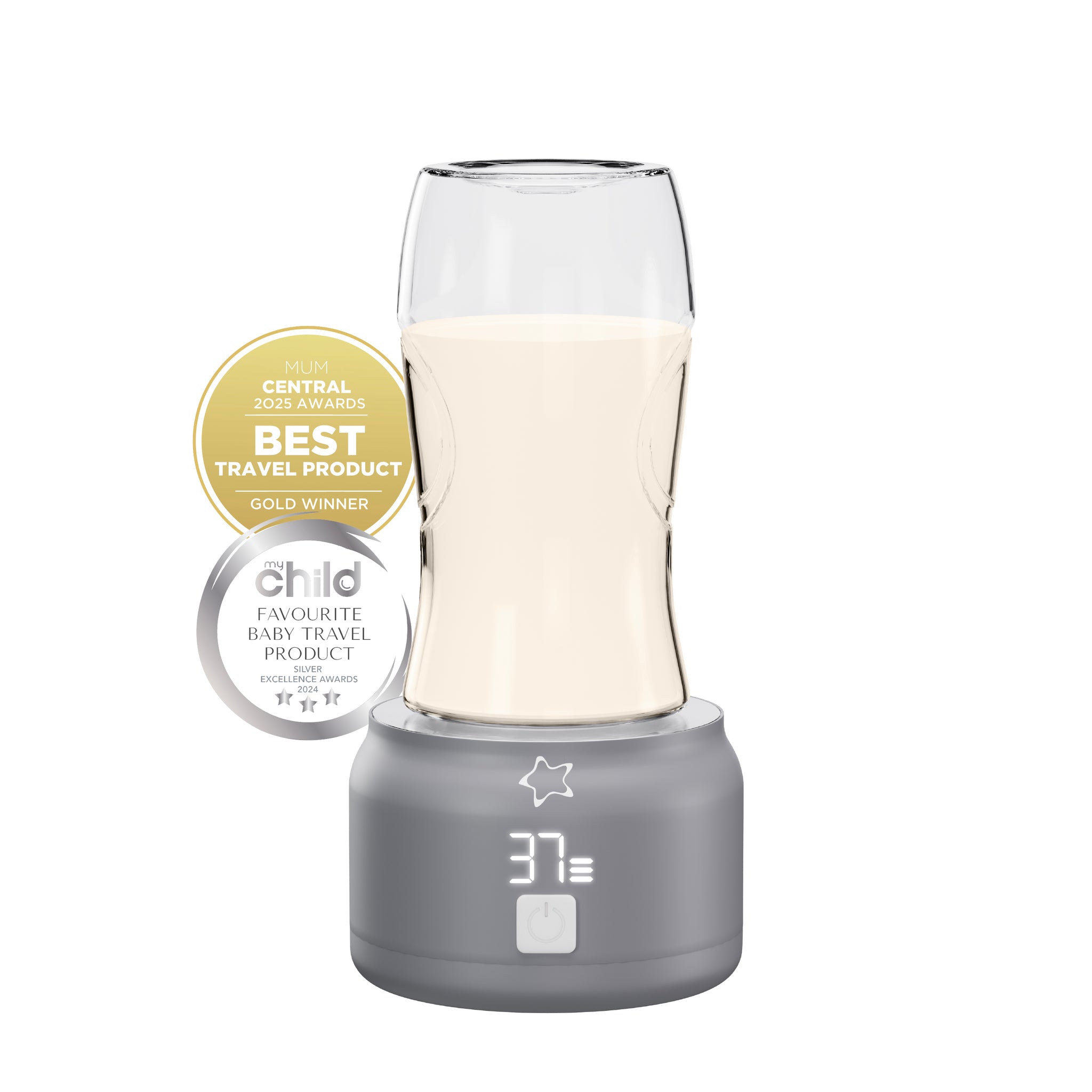
Our range of portable bottle warmers is designed to give parents more flexibility when they're travelling, visiting family or simply out for the day.
Depending on your feeding routine, you can choose from portable warming solutions designed to make bottle feeding more convenient when you're away from home.
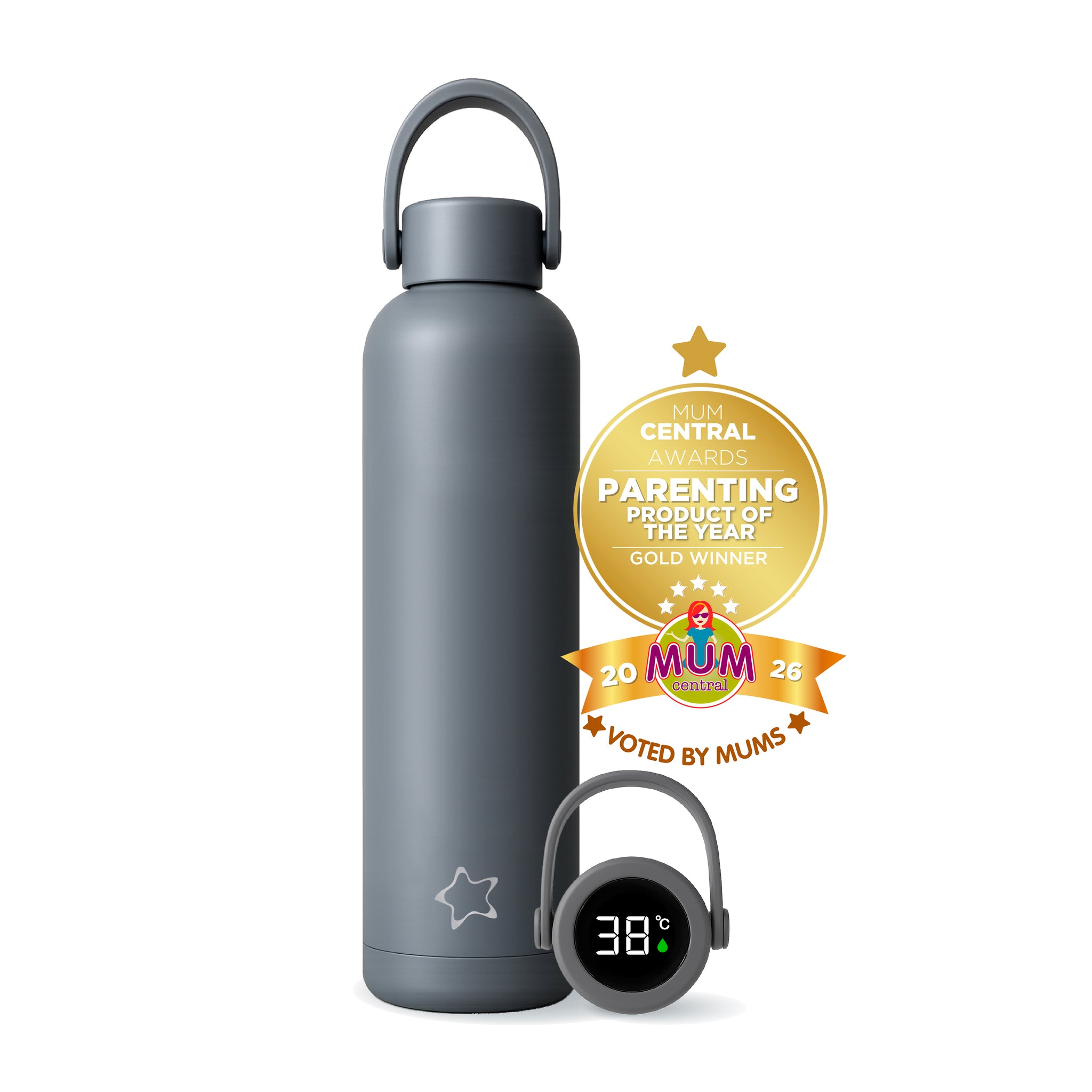
For parents who use powdered formula, our Instant Warm Smart Flask is another option to consider. It is designed around the practicalities of formula feeding on the go, helping you carry temperature-controlled water when you're away from home.
A Simple Setup for Feeding on the Go
If you're planning a day out with your baby, having a simple system can make things much easier.
You might pack:
-
Sterilised bottles
-
Your chosen infant formula
-
A clean vacuum flask with freshly boiled water
-
A portable bottle warmer, if required for warming prepared feeds
-
A cool bag and ice packs where appropriate
-
Bottle cleaning supplies
-
Bibs and muslins
The exact setup will depend on your baby's feeding routine and whether you're using powdered or ready-to-feed formula.
For powdered formula, remember that the NHS recommends making a fresh feed when your baby needs it whenever possible.
Frequently Asked Questions
Do babies need warm formula?
No. Some babies are happy to drink formula at room temperature. Warming is generally a matter of preference. If your baby prefers a warmer feed, make sure it is comfortably warm rather than hot and test it before feeding.
What temperature should formula be?
The NHS advises that formula should feel warm or cool, but not hot, when tested on the inside of your wrist.
For powdered formula preparation, however, the water used to mix the formula should be at least 70°C. This is a preparation requirement and should not be confused with the temperature at which the finished feed is given to your baby.
Can I use a bottle warmer to make powdered formula?
A bottle warmer should not replace the NHS-recommended method for preparing powdered formula. Powdered formula should be mixed with water at the appropriate temperature before being cooled to a safe drinking temperature.
Can I warm formula in the microwave?
No. The NHS advises against microwaving formula because it can heat unevenly and create hot spots that could burn your baby's mouth.
Can I use a portable warmer for breast milk?
Some portable warmers are suitable for expressed breast milk. Always check the manufacturer's instructions and avoid overheating. The NHS recommends gently warming expressed milk using warm water rather than a microwave or stove.
How long can prepared formula stay out?
The safest approach is to make powdered formula fresh when your baby needs it. If you have to store a prepared feed, NHS guidance says a feed kept at room temperature should be used within 2 hours, while a cooled feed transported in a cool bag with an ice pack should be used within 4 hours.
Can I re-warm a bottle?
Rather than repeatedly warming a bottle, prepare or warm only the amount your baby is likely to drink and follow the manufacturer's and NHS guidance for handling the feed. Any formula left after a feed should be discarded.
The Bottom Line
A portable bottle warmer can be a useful addition to your changing bag if your baby prefers warm milk, particularly when you're away from home.
But the warmer is only one part of safe bottle feeding. For powdered formula, safe preparation comes first: use freshly boiled water at the recommended temperature, prepare feeds correctly and cool them before feeding.
Once your feeding routine is established, the right portable warming solution can simply make those everyday feeds a little easier when you're out and about.


