

How to Defrost and Warm Frozen Breast Milk Safely: A Guide for UK Mums


The safest way to defrost frozen breast milk is slowly in the fridge. If you need it sooner, you can place the sealed container in a jug of warm water or hold it under warm running water.
Once thawed, breast milk can be given cold if your baby is happy to drink it that way, or gently warmed to around body temperature. Never use a microwave or heat breast milk directly on the hob, and never refreeze milk once it has been thawed.
If you've spent weeks building up a freezer stash, it makes sense to want to handle every bag carefully. Whether you're preparing a night feed, getting ready for nursery or simply trying to make feeding a little easier, knowing how to defrost and warm expressed milk safely can help you feel more confident.
How to defrost frozen breast milk
There are two straightforward ways to thaw frozen breast milk: slowly in the fridge or more quickly using warm water.
Method 1: Thaw breast milk in the fridge
The NHS recommends defrosting frozen breast milk slowly in the fridge.
Take the amount you need out of the freezer and place it in the fridge to thaw. Depending on the amount of milk and the container you're using, this can take several hours, so moving the next day's milk into the fridge the night before can make things much easier.
Once the milk has completely thawed, use it straight away and do not refreeze it.
For the most accurate storage times, always check the latest NHS advice and any guidance provided by your midwife, health visitor or breastfeeding support professional.
Method 2: Defrost breast milk in warm water
Need the milk sooner? You can speed up the process by placing the sealed breast milk container or bag in a jug of warm water.
You can also hold the container under warm running water until the milk has thawed.
Avoid using very hot or boiling water. The aim is to thaw the milk gently rather than expose it to excessive heat.
Once the milk has thawed, gently mix it if it has separated. Separation is completely normal with expressed breast milk.
How to warm thawed breast milk
Breast milk doesn't have to be warm. Some babies are perfectly happy drinking it straight from the fridge or at room temperature.
If your baby prefers a warm feed, heat it gently rather than using high temperatures.
Here are two simple options:
-
Warm water: Place the bottle or container in a jug of warm water for a few minutes. Check the milk before giving it to your baby.
-
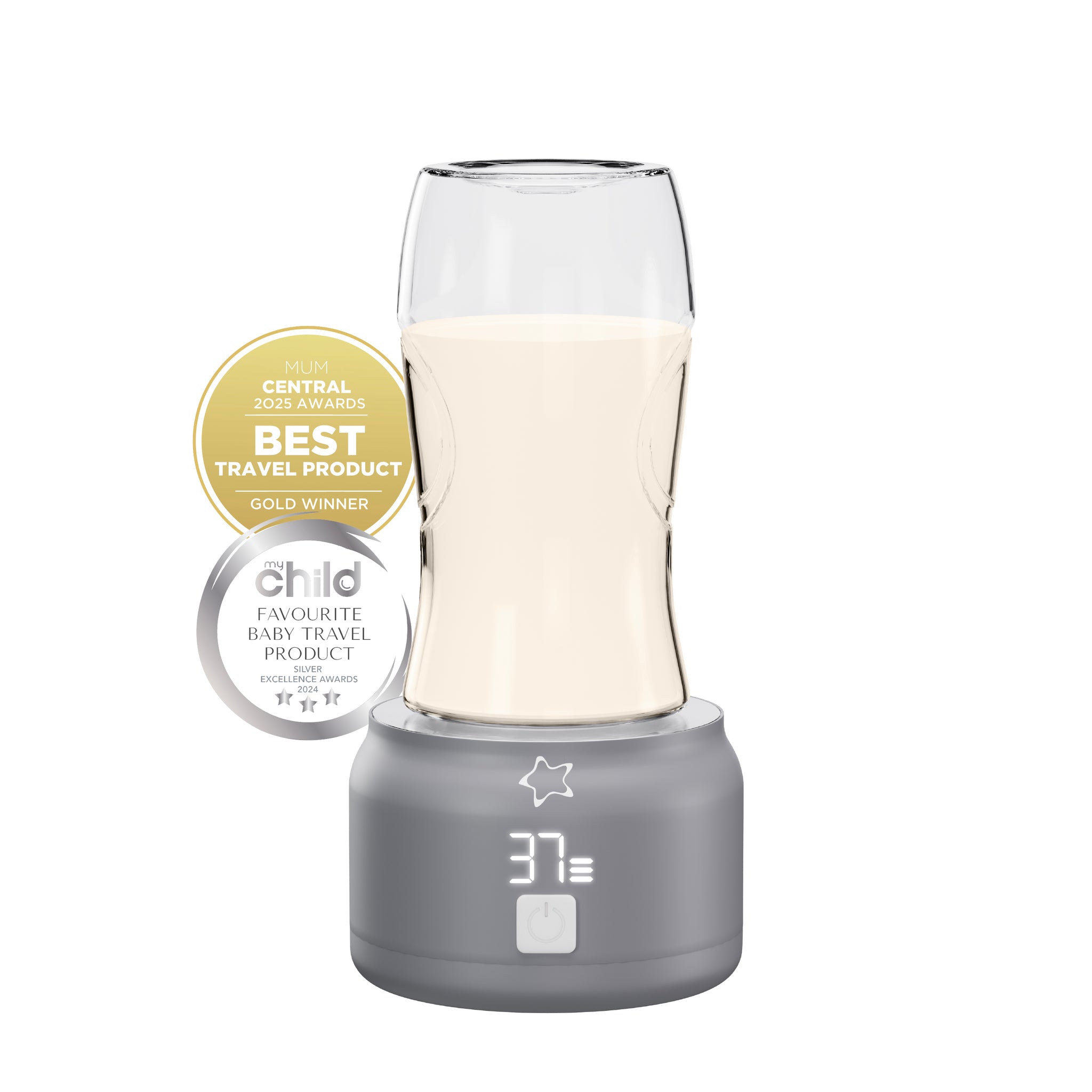
Bottle warmer: A suitable bottle warmer can provide a convenient way to gently warm expressed milk, particularly during night feeds or when you're away from home.
Once warmed, gently swirl the milk to distribute the heat evenly.
Before feeding, check the temperature by putting a few drops on the inside of your wrist. It should feel comfortably warm rather than hot.
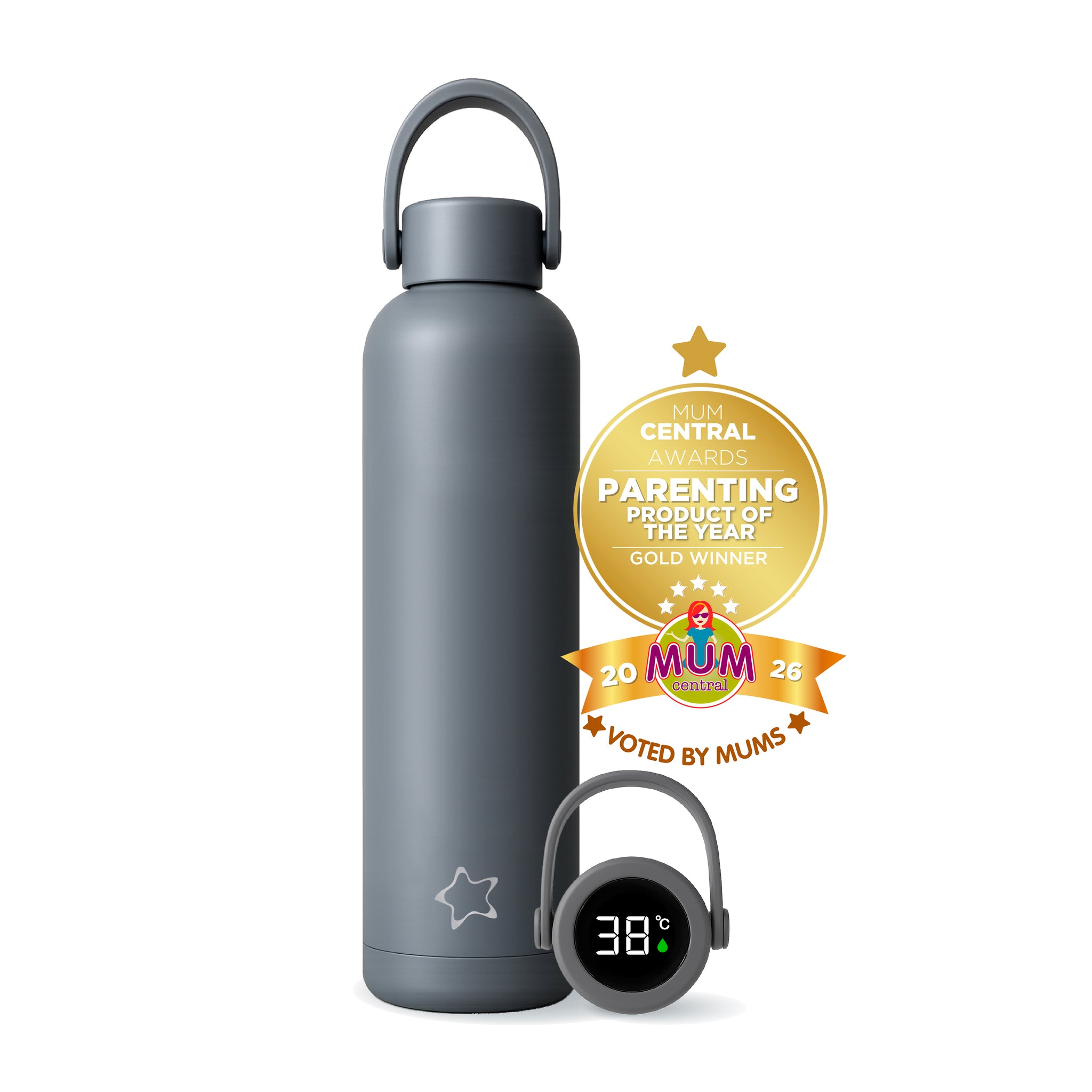
If you're looking for an easier way to warm breast milk at home or while travelling, explore our portable bottle warmer range.
Why you should never microwave breast milk
Don't use a microwave to defrost or warm breast milk.
Microwaves can heat milk unevenly, creating hot spots that may burn your baby's mouth even if the outside of the bottle doesn't feel particularly warm.
The NHS specifically advises against using a microwave to heat or defrost breast milk. Instead, use warm water or a suitable bottle warmer for a gentler, more even approach.
Avoid heating breast milk directly on the hob or using boiling water too.
How long does frozen breast milk last after defrosting?
This is one area where it's particularly important to follow the guidance you're using, as recommendations can vary between healthcare settings.
Current NHS guidance states that breast milk can be stored in a freezer for up to 6 months at -18°C or below. Once frozen breast milk has been defrosted, the NHS advises using it straight away and not refreezing it.
The NHS also advises that once your baby has drunk from a bottle of expressed breast milk, it should be used within 1 hour, with any remaining milk discarded.
If your baby is premature, unwell or receiving neonatal care, storage recommendations may be different. Always follow the advice given by your baby's healthcare team.
A simple storage guide
-
Frozen breast milk: Up to 6 months when stored at -18°C or below.
-
Defrosted breast milk: Use straight away according to current NHS guidance.
-
Refreezing: Never refreeze breast milk once it has thawed.
-
Warmed breast milk: Use within 1 hour.
-
Leftover milk after a feed: Discard after 1 hour.
What if thawed breast milk looks or smells different?
Don't be surprised if your breast milk looks different after freezing and thawing.
It's completely normal for expressed breast milk to separate into layers. The fat may rise to the top while the watery part remains underneath. Gently swirl the container to mix the milk again rather than shaking it vigorously.
You may also notice that frozen or thawed milk has a slightly different smell or taste. This can happen because of natural changes to the milk during storage.
If you're concerned about whether your milk is safe to use, or your baby consistently refuses previously frozen milk, speak to your midwife, health visitor or breastfeeding support professional.

Defrosting breast milk when you're out and about
Planning a day out with expressed breast milk doesn't have to mean leaving your freezer stash at home.
If you know you'll need a frozen feed later, plan ahead and allow enough time for it to thaw safely. A cool bag with appropriate ice packs can also help when transporting expressed milk.
When you're travelling, a portable bottle warmer can be useful if your baby prefers their breast milk warm. It gives you a convenient option when you don't have access to a kitchen or hot water.
For parents who regularly feed expressed milk while out and about, our portable bottle warmer collection is designed with travel and everyday feeding in mind.
Frequently Asked Questions
What's the safest way to defrost frozen breast milk?
The NHS recommends thawing frozen breast milk slowly in the fridge. If you need it more quickly, you can place the container in a jug of warm water or hold it under warm running water.
Can I defrost breast milk at room temperature?
The NHS recommends defrosting frozen breast milk in the fridge, or using warm water/running warm water when you need it quickly. These methods provide a more controlled way to thaw the milk.
Can I refreeze breast milk after it has thawed?
No. Once frozen breast milk has thawed, it should not be put back in the freezer.
Can I microwave frozen breast milk?
No. Never use a microwave to defrost or warm breast milk. It can create hot spots that could burn your baby's mouth.
Does breast milk need to be warmed?
No. Your baby can drink expressed breast milk cold from the fridge if they're happy with it. If they prefer it warm, gently warm it using warm water or a suitable bottle warmer.
How can I warm breast milk without a bottle warmer?
Place the bottle or container in a jug of warm water, or hold it under warm running water. Avoid boiling water and never heat breast milk in a microwave.
How long can warmed breast milk be kept?
The NHS recommends using warmed breast milk within 1 hour and discarding any milk left after that.
What if my baby doesn't finish the bottle?
Once your baby has drunk from the bottle, bacteria can be introduced into the milk. Current NHS guidance says to use the milk within 1 hour and throw away anything left after that.
The simple way to remember it
When you're handling frozen breast milk, keep it simple:
Thaw safely. Warm gently. Never microwave. Never refreeze.
If you're thawing milk in advance, the fridge is the easiest option. If you're in a hurry, warm water can speed things up. And if your baby is happy drinking breast milk cold, there's no need to warm it at all.
If you have questions about storing or feeding expressed breast milk, speak to your midwife, health visitor, GP or breastfeeding support professional for advice specific to you and your baby.
This article is intended as general information for parents in the UK and is not a substitute for medical or breastfeeding advice. Always follow the latest NHS guidance and any specific instructions given by your healthcare professional. If your baby is premature, unwell or receiving neonatal care, ask your baby's healthcare team about the appropriate storage and feeding guidelines.
Sources: NHS, “Expressing and storing breast milk” and NHS “Hints, tips and more help”.


