

Microwave Steriliser vs Steam Steriliser: Which Is Better for Baby Bottles?


When you're preparing for bottle feeding, choosing a steriliser can feel like just another decision on a very long baby-shopping list.
Microwave and electric steam sterilisers both use steam to sterilise baby bottles and feeding equipment. The biggest difference is how they create that steam and how they fit into your daily routine.
A microwave steriliser uses your existing microwave to heat water and create steam, while an electric steam steriliser has its own heating element and works independently. One isn't automatically better than the other — the right choice depends on your kitchen, how many bottles you use and whether you need something that's easy to take away with you.
Here's what to consider before choosing.
At a glance
| Feature | Microwave Steriliser | Electric Steam Steriliser |
|---|---|---|
| How it works | Uses your microwave to create steam | Built-in heating element creates steam |
| Cycle time | Usually a few minutes, depending on the model and microwave | Usually several minutes, depending on the model |
| Capacity | Often more compact with a smaller capacity | Usually larger capacity |
| Upfront cost | Generally lower | Generally higher |
| Storage | Easy to store away | Usually takes up bench space |
| Portability | Convenient for travel if a microwave is available | Better suited to staying at home |
| What you need | A microwave | A power socket |
Always check the manufacturer's instructions for the exact cycle time, capacity and operating requirements of your steriliser.
How does a microwave steriliser work?
A microwave steriliser is a container designed to hold bottles, teats and other feeding equipment while water is heated inside it.
Once placed in the microwave, the water produces steam, which sterilises the equipment.
One of the biggest advantages is that you don't need another electrical appliance on your kitchen worktop. Microwave sterilisers can also be relatively compact, making them appealing if you're short on storage space.
However, you'll need access to a microwave whenever you want to use it, and the microwave itself must be suitable for the steriliser you're using.
Always follow the steriliser manufacturer's instructions, including the recommended amount of water and microwave settings.
How does an electric steam steriliser work?
An electric steam steriliser is a standalone appliance with a built-in heating element.
You add the specified amount of water, arrange your clean bottles and feeding accessories inside, close the lid and start the cycle. The appliance heats the water and uses the resulting steam to sterilise the contents.
Electric sterilisers are often designed with larger capacities, which can be useful if you're washing and sterilising several bottles throughout the day.
Some models also have additional features such as automatic shut-off or drying functions, depending on the product.
Before sterilising, remember that sterilising isn't a substitute for washing. Bottles and feeding equipment should be thoroughly cleaned first, following NHS and manufacturer guidance.
Microwave vs electric steam steriliser: which is faster?
A microwave steriliser can have a relatively short sterilising cycle, but the actual time depends on the microwave and the manufacturer's instructions.
An electric steam steriliser may take a little longer per cycle, but its larger capacity can make it more convenient if you're sterilising several bottles at once.
So rather than looking only at the number of minutes on the cycle, think about how many bottles you need to sterilise each day.
If you're only doing a small batch, a microwave steriliser may be perfectly practical. If you're constantly washing and sterilising bottles, the larger capacity of an electric model may save you more time overall.

Cost, space and everyday convenience
Microwave sterilisers
A microwave steriliser can be a good choice if you're looking for something straightforward and relatively compact.
It's particularly useful if:
-
You already have a microwave.
-
You don't want another appliance taking up worktop space.
-
You're sterilising smaller batches.
-
You want something that can be stored away between uses.
-
You'd like a more travel-friendly option where a microwave is available.
Electric steam sterilisers
An electric steam steriliser can make sense if bottle feeding is a big part of your everyday routine.
You might prefer one if:
-
You're sterilising several bottles every day.
-
You want a dedicated appliance.
-
You'd rather not use your microwave for sterilising.
-
You have enough kitchen worktop space.
-
You prefer a simple, hands-off cycle.
Which steriliser is best for you?
There's no single answer that works for every family.
Choose a microwave steriliser if you want something compact, easy to store and generally more affordable, and you already have access to a suitable microwave.
Choose an electric steam steriliser if you use several bottles each day and want a dedicated appliance with a larger capacity and a simple push-button routine.
Consider your lifestyle too. If you're travelling between home, grandparents' houses and holidays, a compact sterilising option may be more convenient. If most of your bottle preparation happens at home, an electric steam steriliser may be easier for your everyday routine.
And remember — whichever method you choose, always follow the instructions supplied with your steriliser.
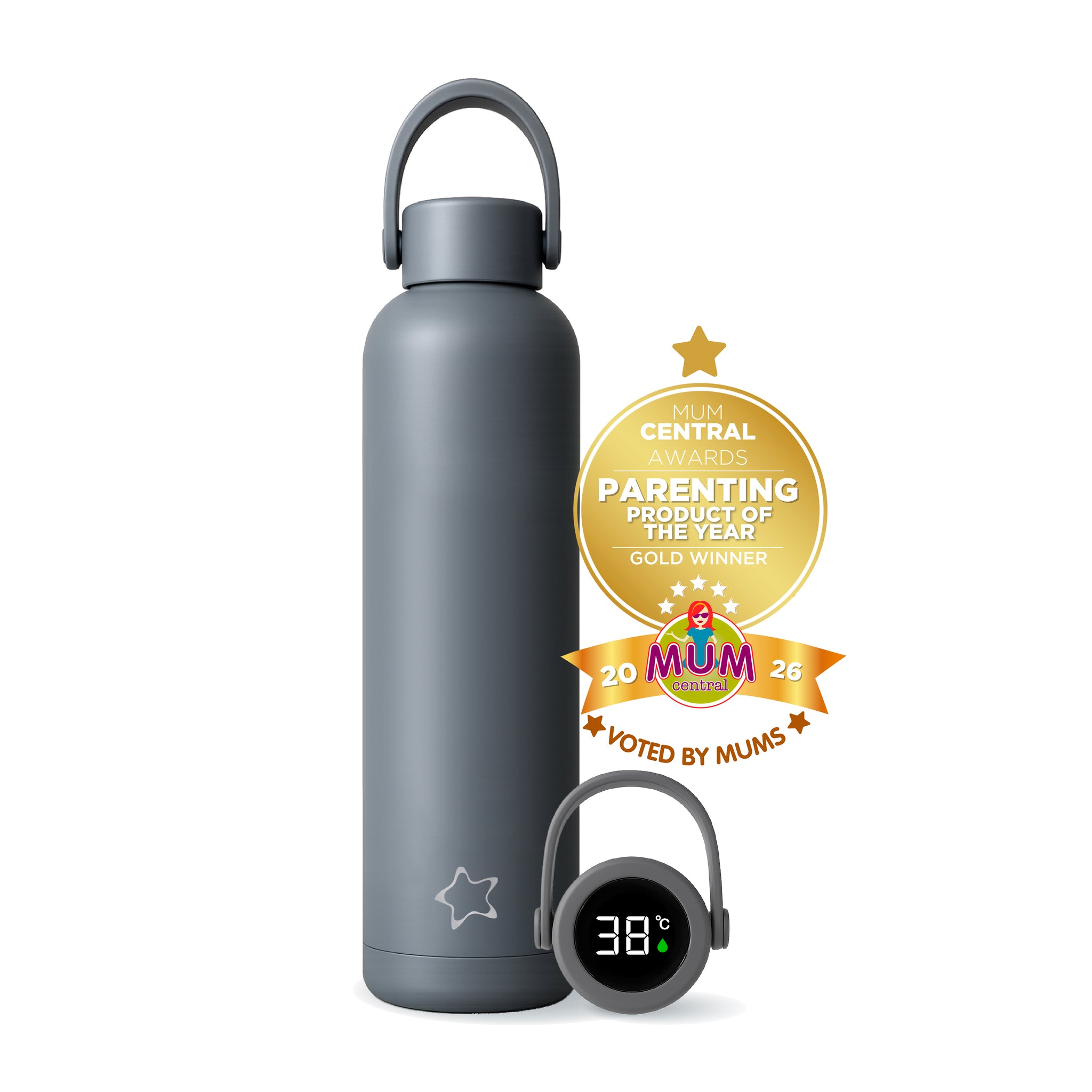
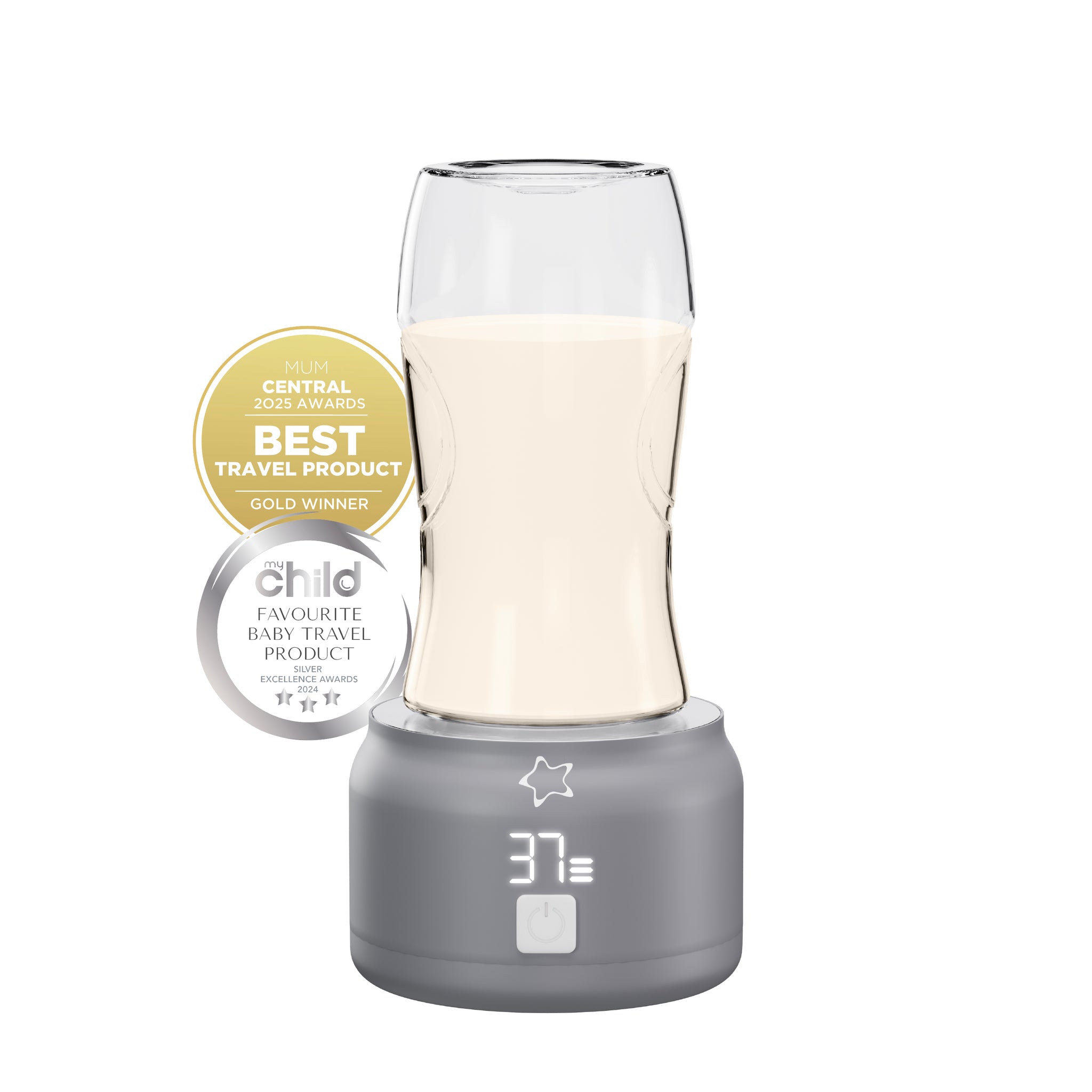
Heading out with your baby? Pair your bottle-cleaning routine with a portable bottle warmer for easier feeding when you're away from home.
What about UV sterilisers?
Steam isn't the only sterilising method available.
UV sterilisers use ultraviolet light rather than steam or heat and can offer additional features depending on the model, such as drying and storage.
If you're comparing all three options, our guide to [UV steriliser vs steam steriliser] looks at the differences in more detail.
How to keep your steriliser working properly
Regular cleaning is an important part of maintaining your steriliser.
Over time, mineral deposits from tap water can build up inside appliances that heat water. This can affect performance and may require descaling.
Check your steriliser's instructions for how often it should be cleaned and descaled, as the recommended routine can vary between models.
It's also important to clean bottles and feeding equipment thoroughly before sterilising them. The NHS recommends sterilising feeding equipment until your baby is at least 12 months old. (NHS)
Frequently Asked Questions
Is a microwave steriliser as effective as an electric steam steriliser?
Both methods use steam to sterilise feeding equipment when used correctly. The important thing is to follow the manufacturer's instructions carefully, including the correct water level, loading instructions and cycle time.
The main differences are convenience, capacity and how the appliance fits into your routine.
How long do bottles stay sterile after sterilising?
This depends on the steriliser and how it is used.
Some manufacturers state that equipment can remain sterile for a certain period while the steriliser remains closed. However, you should always follow the instructions for your particular model rather than assuming a universal time.
Once sterilised equipment has been removed or handled, it can be exposed to germs again. Keep the steriliser closed until you're ready to use the contents wherever possible.
Which is better for a newborn?
Both can work well for newborn feeding when used correctly.
If you're going through lots of bottles every day, an electric steam steriliser with a larger capacity may be more convenient. If you're working with smaller batches or have limited kitchen space, a microwave steriliser may suit you better.
Do you need to wash bottles before sterilising them?
Yes.
Sterilising doesn't replace thorough cleaning. Wash bottles, teats and other feeding equipment according to NHS guidance and the manufacturer's instructions before putting them into the steriliser.
Removing milk residue first allows the sterilising process to work effectively.
How long should you sterilise baby bottles?
There's no single cycle time that applies to every steriliser.
Microwave and electric models have different operating instructions, so always use the cycle time specified by the manufacturer of your steriliser.
Don't assume that a longer or shorter cycle is better — follow the recommended settings for your specific appliance.
Can you use a microwave steriliser without a microwave?
No. A microwave steriliser relies on a microwave to heat the water and create steam.
If you don't have access to a microwave, an electric steam steriliser may be a more suitable option.
Do I need to sterilise bottles after every use?
Yes. Feeding equipment needs to be cleaned thoroughly after each use and sterilised according to current NHS guidance.
The NHS recommends sterilising feeding equipment until your baby is at least 12 months old. Always check the latest NHS advice and the instructions for your bottles and steriliser.
The bottom line
When choosing between a microwave and electric steam steriliser, think about your routine rather than simply looking for the “best” option.
A microwave steriliser can be compact, convenient and easy to store, while an electric steam steriliser can make daily bottle preparation easier when you're dealing with larger loads.
Whichever one you choose, good cleaning and following the manufacturer's instructions are key to keeping your baby's feeding equipment hygienic.
This article is intended as general information for parents in the UK and is not a substitute for medical advice. Always follow the latest NHS guidance and the instructions provided with your bottles and sterilising equipment. If you're unsure about cleaning or sterilising your baby's feeding equipment, speak to your midwife, health visitor or GP.
Source: NHS guidance on bottle feeding and sterilising feeding equipment.


