

How to Store Homemade Baby Food in the Freezer?


Making homemade baby food can be a great way to give your little one fresh, nutritious meals while having more control over the ingredients. But in the early stages of weaning, your baby may only eat a few spoonfuls at a time.
Rather than making a fresh batch every day, freezing baby food in small portions can make mealtimes much easier. Preparing larger batches means you can save time, reduce food waste and have convenient portions ready whenever your baby needs them.
In this guide, we'll cover some of the easiest ways to freeze homemade baby food, how long it can be stored and some important tips for safely thawing and organising your baby's meals.
Best Baby Food Storage Containers for the Freezer
The best storage option depends on how much food you want to freeze and how you plan to serve it later.
Large household containers can certainly be used, but they aren't always practical for baby food because you may only need a small amount at each meal. Smaller containers and portioned storage solutions allow you to defrost exactly what you need, helping to minimise waste.
When choosing a freezer storage option, look for materials designed for food storage, such as freezer-safe silicone, glass or suitable BPA-free materials. Small containers are particularly useful because they make portioning, labelling and organising homemade baby food much easier.
Here are three popular options to consider.
Ice Cube Trays
Silicone freezer trays are a simple and convenient way to portion homemade baby food.
Once your puree has been prepared, allow it to cool before transferring it into the tray. Fill each compartment with an appropriate serving size, cover the tray and place it in the freezer.
Once frozen, you can either leave the portions in the tray or transfer the individual frozen pieces into a suitable freezer bag or container. If you transfer them, remember to label the container with the type of food and the date it was frozen.
One of the biggest advantages of using small freezer compartments is flexibility. You can defrost one or two portions for a smaller meal, then use additional portions when your baby starts eating more.
Silicone trays can also be useful because the flexible material makes it easier to remove individual frozen portions without having to thaw the entire tray.
Glass Baby Food Containers
If you prefer glass storage, choose containers specifically designed to withstand freezer temperatures.
Glass containers are a practical option for parents who want a reusable storage solution. Smaller containers are particularly useful for baby food because they allow you to prepare individual portions rather than freezing one large batch.
Borosilicate glass is commonly used for food storage because of its durability and resistance to temperature changes. However, always check the manufacturer's instructions before placing any glass container in the freezer, as not every glass jar is freezer-safe.
Avoid freezing food in commercially purchased baby food jars unless the manufacturer specifically states that they are suitable for freezing. Glass can crack or break when exposed to unsuitable temperature changes.
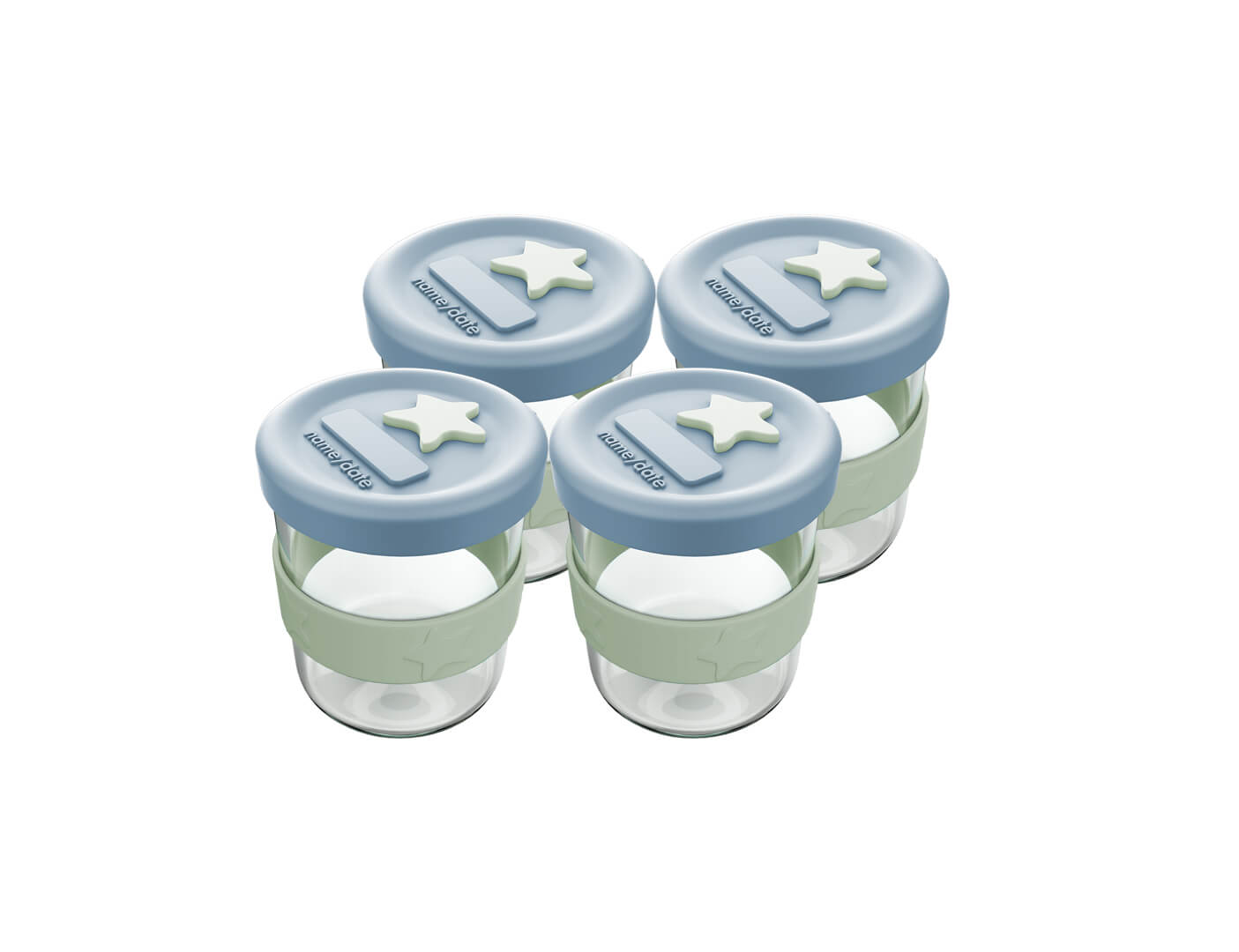
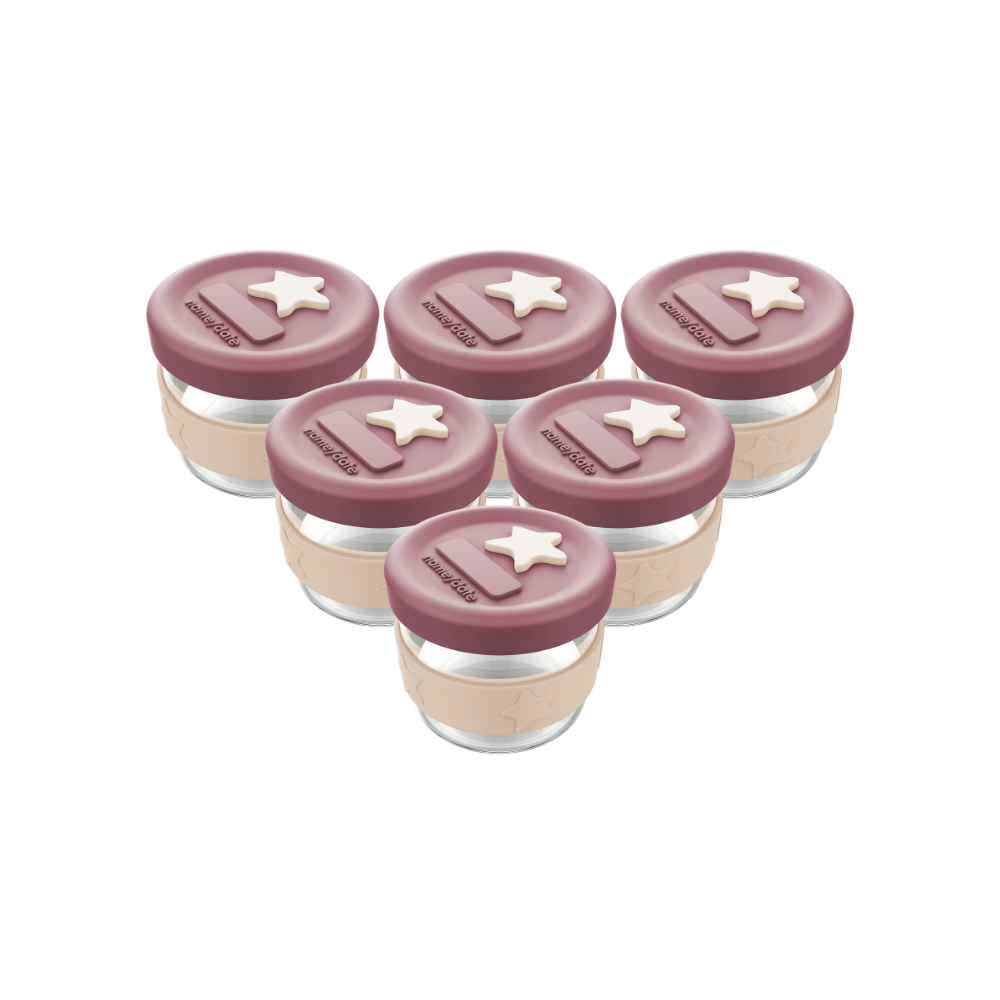
Glass containers also make it easy to organise meals by portion and label them with the contents and preparation date. Keep homemade baby food fresh, organised and ready to enjoy with our Glass Storage range, made from durable borosilicate glass for easy storing, freezing and reheating.

Food Pouches
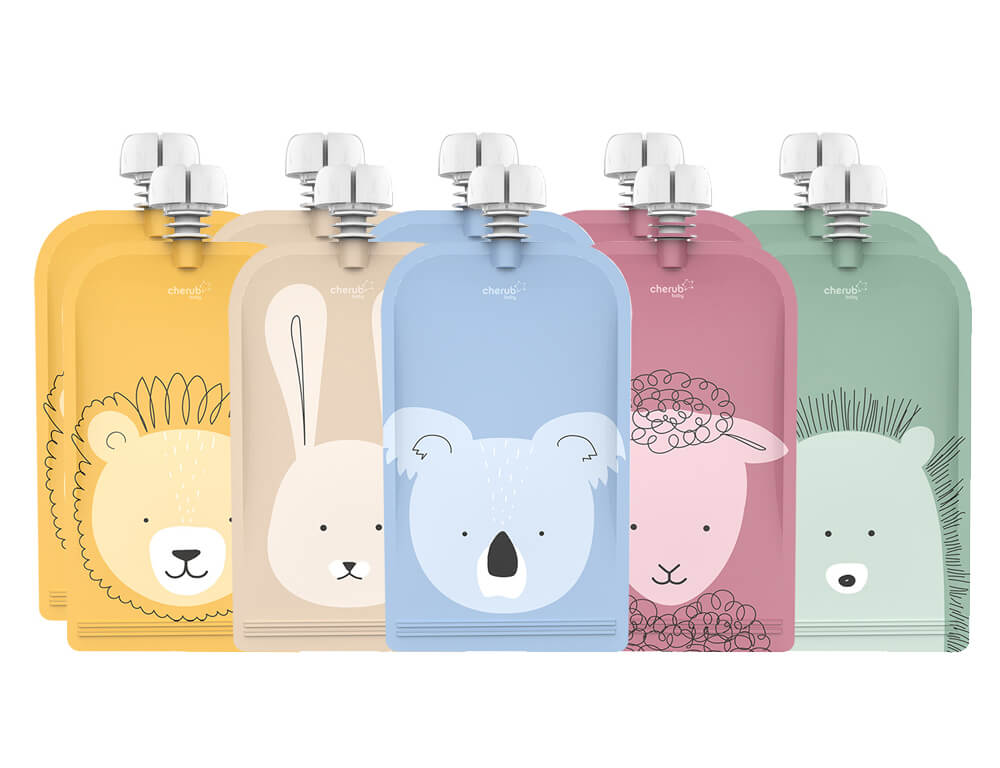
Reusable food pouches are another convenient option for storing homemade baby food.
They are particularly useful when you want to save freezer space, as many pouches can be stored flat while the food freezes. Once frozen, they can be organised together and labelled according to the contents and date.
Another benefit is that the same pouch can often be used for storage and serving, reducing the need to transfer food into another container.
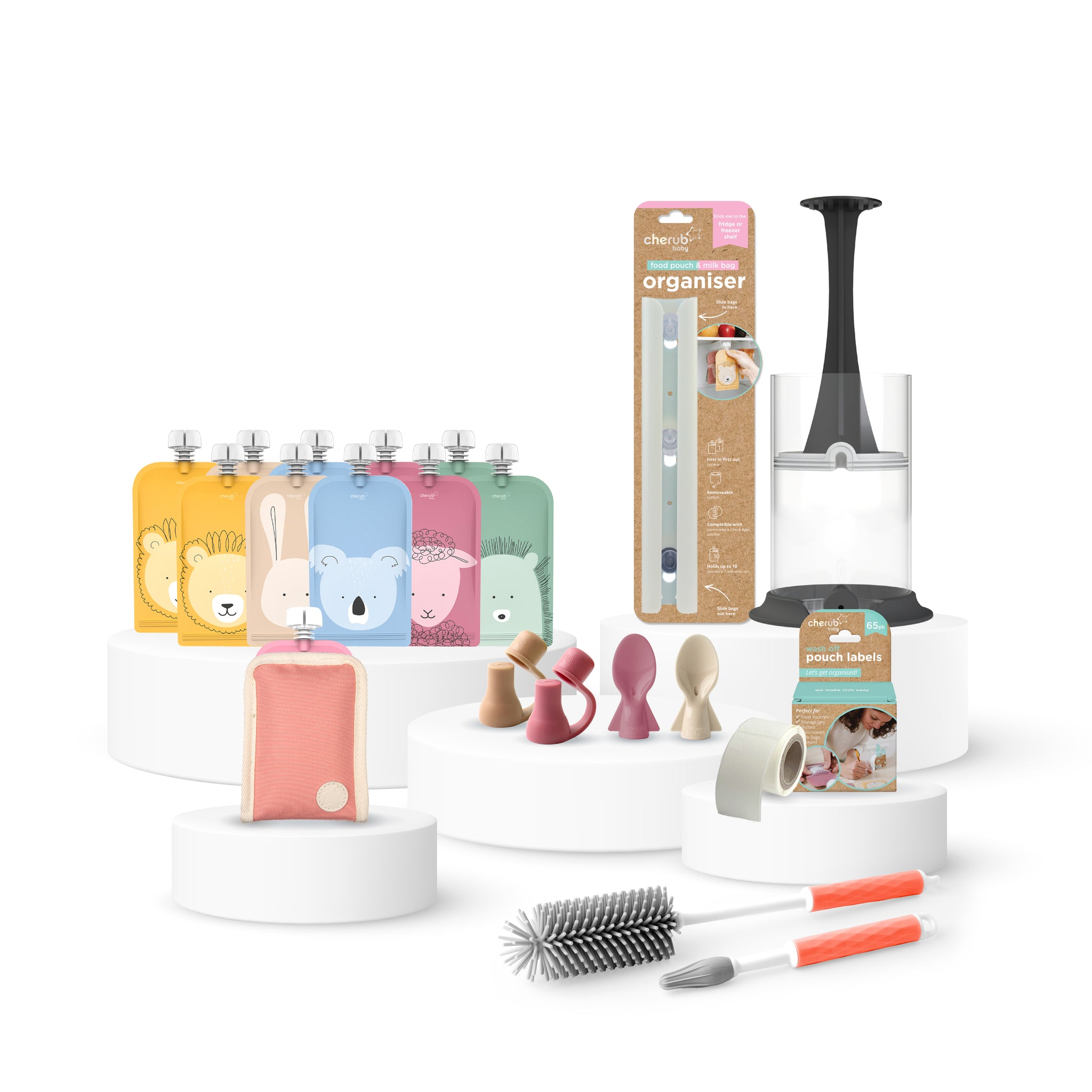
Reusable pouches can also be useful when you're preparing meals ahead of time for busy days or when travelling. Browse our Cherub Baby Reusable Food Pouch range below.
How Long Can Homemade Baby Food Last in the Freezer?
Freezing homemade baby food can significantly extend its storage life, but quality can gradually decline the longer food remains frozen.
As a general guide, homemade baby purees can be frozen for around 3–6 months. For the best quality, however, it is preferable to use frozen baby food within the first few months.
For better temperature stability, keep frozen baby food towards the back of the freezer rather than in the door. The temperature in the freezer door can fluctuate more frequently as it is opened and closed.
A simple labelling system can also make your freezer much easier to manage. Write the type of food and the date it was prepared and frozen on each container or pouch.

When organising multiple batches, follow the first-in, first-out principle. Use the oldest portions first so that food doesn't get forgotten at the back of the freezer.
Can You Freeze Homemade Baby Food Made From Previously Frozen Ingredients?
This is a common question when preparing homemade baby food.
Whether you can freeze the finished baby food depends on what happened to the ingredients before you prepared the meal.
A useful general rule is that food which has been thawed should not simply be frozen again in its original uncooked state. However, previously frozen raw ingredients can be cooked and then frozen as part of a newly prepared meal, provided they have been handled and cooked safely.
For example, you may have frozen peas that you thaw before cooking. Once the peas have been properly cooked, you can use them to prepare a puree and then freeze the finished puree in suitable portions.
The same principle can apply to ingredients such as meat or fish: previously frozen raw ingredients can be cooked thoroughly, incorporated into a meal and then frozen again as part of the newly prepared dish.
Always follow appropriate food-safety guidance when handling and storing food for babies.
Final Tips for Storing Frozen Baby Food
A few simple habits can make freezing homemade baby food much easier:
-
Freeze in small portions: Portion food according to how much your baby is likely to eat.
-
Cool food before freezing: Allow freshly prepared food to cool appropriately before placing it in the freezer.
-
Use freezer-safe storage: Choose containers or pouches specifically designed for freezing.
-
Label everything: Include both the food type and the date it was prepared.
-
Keep food towards the back of the freezer: This area generally experiences fewer temperature fluctuations than the freezer door.
-
Minimise air exposure: Removing excess air from freezer bags or using appropriately sealed containers can help reduce freezer burn.
-
Use older portions first: Organise your freezer so that older batches are easy to reach.
-
Thaw safely: For many foods, thawing overnight in the refrigerator is a convenient option.
-
Check the food before serving: If the food has an unusual appearance, smell or texture, it's best not to serve it.
With a little preparation, freezing homemade baby food can become a simple part of your feeding routine. Whether you choose silicone trays, glass containers or reusable pouches, portioning meals ahead of time can make feeding your little one easier while helping you reduce waste and save valuable time.


