

Can You Keep Baby Formula Warm in a Flask? What UK Parents Need to Know


Heading out with a bottle-fed baby can take a little extra planning, especially when you need to prepare feeds while you're away from home. One question parents often have is whether they can make up a bottle of formula in advance and keep it warm in a flask.
The simple answer is no — a flask should be used to carry hot water, rather than prepared formula.
Powdered infant formula is not sterile, so it is safest to make each feed fresh when your baby needs it. The NHS recommends using freshly boiled water that has cooled for no more than 30 minutes, so it remains at at least 70°C when the formula is added.
If you're going out for the day, travelling by car or simply want to make feeding away from home easier, carrying hot water in a good-quality vacuum flask can be a practical solution.
The short answer
When it comes to formula and flasks, remember one simple rule:
- Don't keep prepared formula warm in a flask. Warm conditions can allow bacteria to multiply, so prepared feeds should not be kept warm for extended periods.
- Do carry freshly boiled water in a clean vacuum flask. When the flask is full and securely sealed, the water can remain above 70°C for several hours.
- Make your baby's feed fresh when they're ready for it. Keeping the formula powder and hot water separate until feeding time helps reduce the risk of bacterial growth.
In other words, the flask is for the water, not the finished bottle.
Why shouldn't you keep prepared formula warm?
Powdered infant formula can contain harmful bacteria even when the packaging is sealed. Once the powder is mixed with water, bacteria can multiply, particularly if the feed is kept at room temperature or warm for an extended period.
That's why UK guidance recommends preparing formula feeds one at a time, as your baby needs them. It also means that leftover formula after a feed should be thrown away rather than saved for later. Keeping a prepared bottle warm in a flask for several hours isn't a safe way to store a feed.

How to prepare formula safely when you're out and about
If you're taking powdered formula with you, the NHS recommends carrying the ingredients separately and preparing the feed when your baby needs it.
Here's a simple way to prepare:
1. Boil fresh water before leaving
Use fresh water from the cold tap and boil it in the kettle. Allow it to cool for no more than 30 minutes so that it remains at 70°C or above.
2. Add the hot water to your flask
Pour the freshly boiled water into a clean, suitable vacuum flask and seal it securely. A full flask can keep the water above 70°C for several hours.
3. Keep your formula powder separate
Measure the amount of formula powder you need into a clean, dry container or formula dispenser.
It's also important to have a clean, sterilised bottle ready to use.
4. Make the feed when your baby is hungry
When it's time for a feed, pour the hot water into the sterilised bottle and add the correct amount of formula powder according to the manufacturer's instructions.
The water needs to remain hot enough — at least 70°C — when the powder is added to help destroy harmful bacteria that may be present in the formula.
5. Cool the bottle before feeding
Once the feed has been prepared, cool the bottle under cold running water. Test a few drops on the inside of your wrist before feeding your baby. It should feel warm rather than hot.
How long does hot water stay hot in a flask?
A good-quality vacuum flask can keep freshly boiled water above 70°C for several hours when it is filled and securely sealed.
How long it actually stays above 70°C will depend on the flask, how full it is, the starting temperature of the water and how often it is opened.
For the best heat retention:
- Pre-warm the flask with hot water before filling it.
- Fill the flask properly rather than leaving it partially empty.
- Keep the lid closed until you need to make a feed.
- Check that the water is still hot enough before using it to prepare formula.
If you're unsure whether the water has remained at the required temperature, it's better not to use it for powdered formula.
What about a portable bottle warmer?
A flask of hot water is ideal when you're making a fresh powdered formula feed while you're out. But it isn't designed to store a finished bottle of formula at a warm temperature.
If you're travelling with a bottle that has already been chilled, a portable bottle warmer can be useful for bringing the feed up to a comfortable temperature when your baby is ready to drink.
The important distinction is simple:
Flask = hot water for preparing a fresh feed.
Bottle warmer = warming a prepared, chilled feed when needed.
Choosing the right option depends on how you're feeding your baby and how long you'll be away from home. Browse our bottle warmer range, designed to make feeding on the go easier, helping parents warm breast milk and formula safely and conveniently wherever the day takes them. From portable solutions for busy days out to versatile warmers for home and travel, there’s an option to suit every feeding routine.
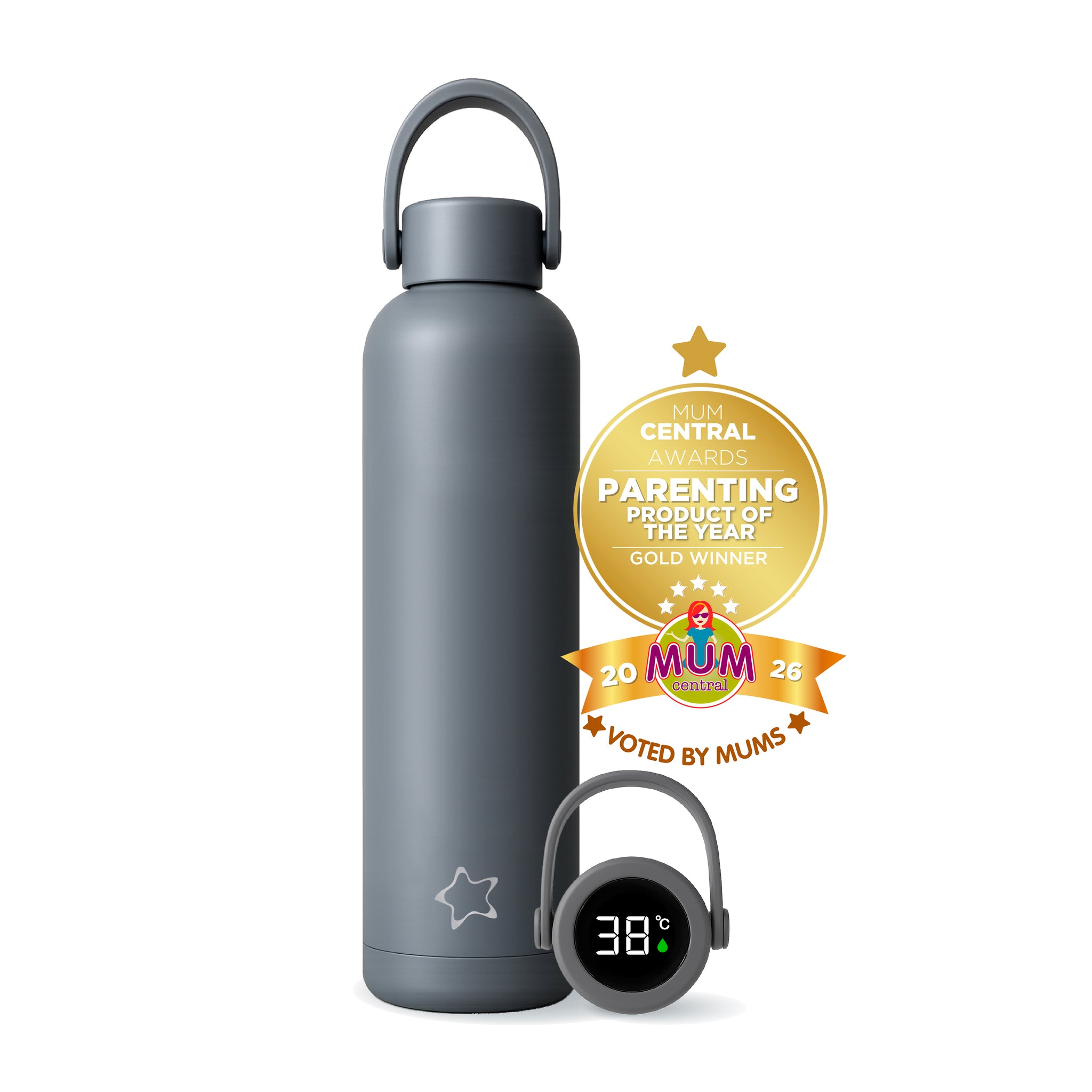
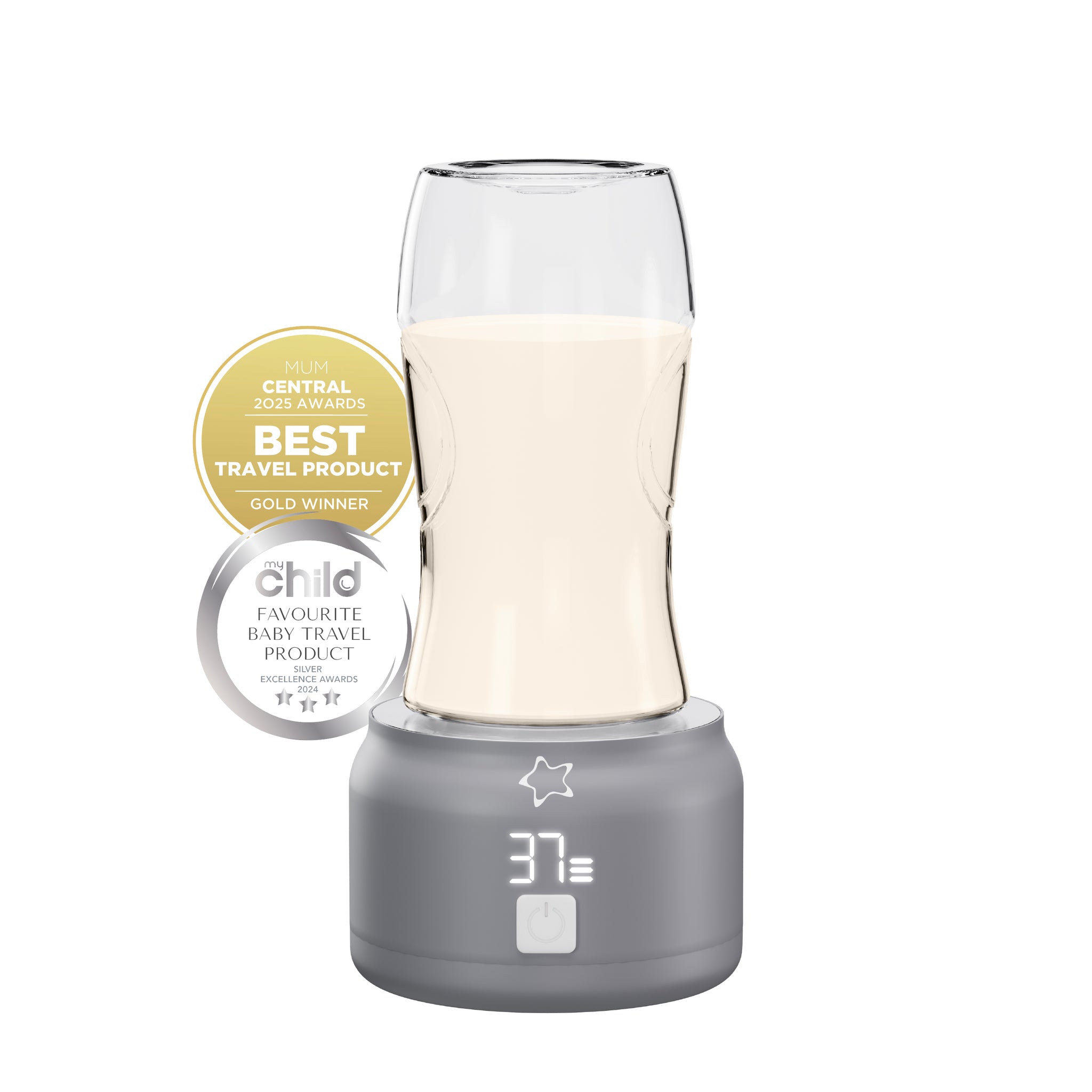
Safe formula feeding when you're out and about
A little preparation can make feeding on the go much easier. Keep your formula powder and hot water separate, use a clean and sterilised bottle, and prepare each powdered formula feed when your baby needs it.
For longer days out, a reliable vacuum flask can help you carry hot water ready for the next feed without needing to find a kettle every time.
Safe formula feeding at a glance
| Situation | UK guidance |
|---|---|
| Hot water in a vacuum flask | Keep above 70°C for several hours when the flask is full and sealed |
| Powdered formula | Prepare fresh when your baby needs a feed |
| Prepared formula at room temperature | Use within 2 hours |
| Prepared formula in a cool bag with ice pack | Use within 4 hours |
| Leftover formula after a feed | Throw it away |
| Water for preparing powdered formula | At least 70°C when mixed with the powder |
Always follow the instructions on your formula packaging, as preparation and storage instructions can vary between products. If you have questions about feeding your baby, speak with your midwife, health visitor or GP.


