

How Many Times Can You Reheat Formula? A Safe Guide for UK Parents


Baby formula should only be warmed once.
If you've prepared a bottle, stored it safely in the fridge and your baby hasn't started drinking from it, you can warm it once when you're ready to feed. However, once a bottle has been warmed, or your baby has already fed from it, any leftover formula should be discarded rather than cooled down and reheated later.
This is because bacteria can multiply in prepared formula, particularly when it has been sitting at warmer temperatures. Reheating a bottle more than once increases the amount of time it spends at temperatures where bacteria can grow.
If you're standing in the kitchen at 2am wondering whether that half-finished bottle can go back in the fridge for the next feed, here's what you need to know about safely preparing, storing and warming formula.
Can you reheat baby formula?
Yes, but only in certain circumstances — and formula should only be warmed once.
The answer depends on whether your baby has already started drinking from the bottle.
Formula your baby hasn't drunk from
If you've prepared formula in advance and stored it correctly in the fridge, you can warm it once when your baby is ready for a feed.
According to NHS guidance, prepared formula should be cooled quickly and stored at the back of the fridge at 5°C or below. It should generally be used within 24 hours when prepared and stored in advance.
When you're ready to feed, take out the bottle you need and warm it. Once warmed, use it promptly and don't put it back in the fridge to heat again later.
Formula your baby has already started drinking
Once your baby has drunk from the bottle, bacteria from their mouth can enter the formula. This means leftover milk needs to be treated differently from a freshly prepared bottle that hasn't been touched.
Don't save a partly finished bottle for the next feed or try to reheat it later. Discard any formula left after a feed.
It can be tempting to keep the remaining milk, especially when your baby has only had a small amount, but throwing it away is the safest option.
Why shouldn't you reheat formula more than once?
The main concern is bacterial growth.
Prepared infant formula can provide an environment where bacteria multiply, particularly if the milk is kept warm or at room temperature for too long. Repeatedly warming and cooling the same bottle gives bacteria more opportunity to grow.
That's why the safest routine is simple: prepare safely, warm once if needed, feed your baby and discard any leftover formula.
The NHS recommends following the manufacturer's instructions when preparing formula and making feeds as needed. When preparing bottles in advance, careful storage and hygiene are particularly important.

The safest way to warm a bottle of formula
How you warm your baby's bottle matters too. You want to heat the milk gently and evenly rather than creating areas that are much hotter than others.
Here are some safer options:
-
Use warm water. Place the bottle in a container of warm water for a few minutes. Gently swirl the bottle so the heat is distributed evenly.
-
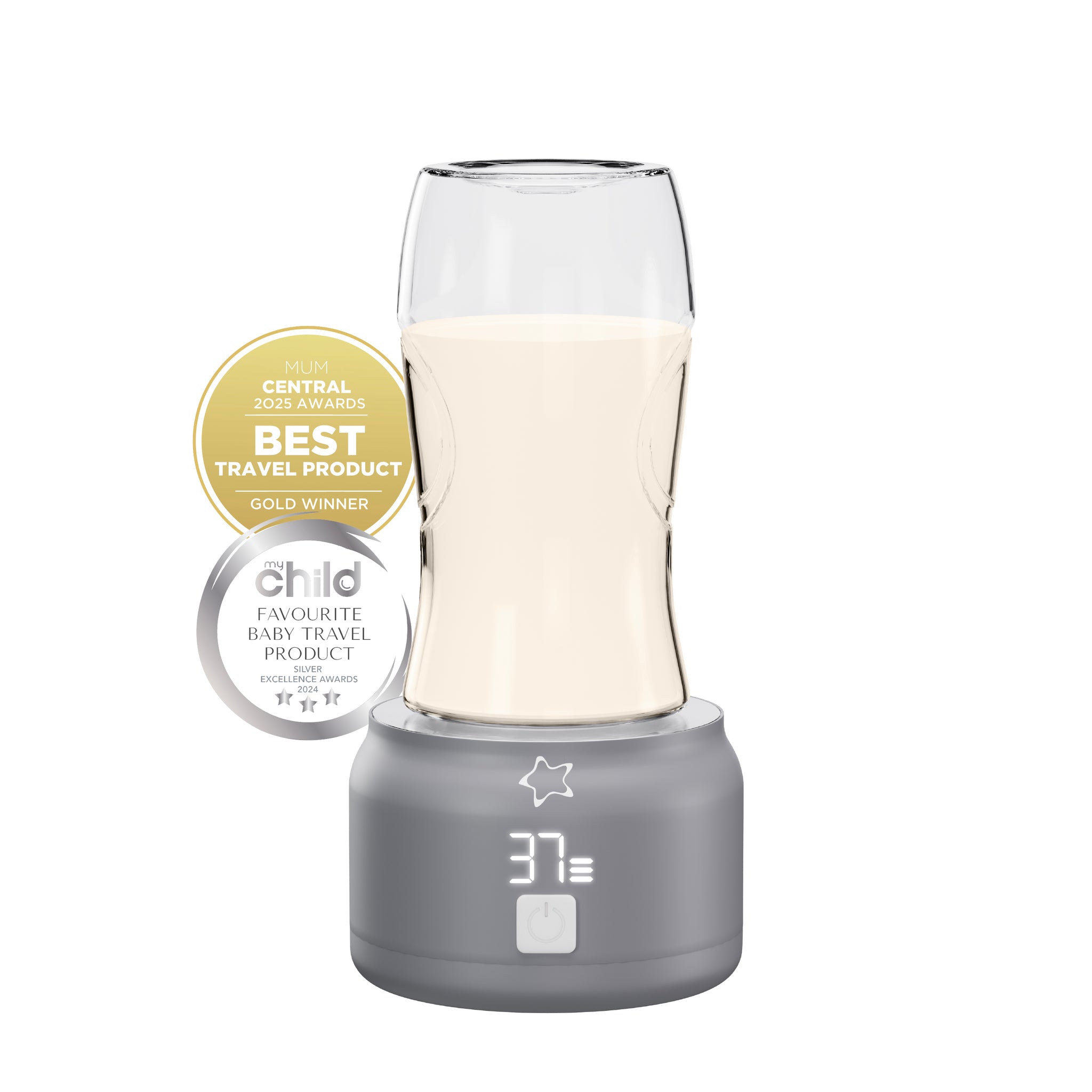
Use a bottle warmer. A bottle warmer can provide a convenient and consistent way to bring a feed to the desired temperature.
-
Check the temperature before feeding. Shake or swirl the bottle, then test a few drops on the inside of your wrist. The milk should feel warm or lukewarm rather than hot.
Never heat formula in the microwave
Microwaves don't heat milk evenly and can create extremely hot spots inside the bottle. Your baby's bottle may feel comfortable on the outside while parts of the milk are hot enough to cause a burn.
Instead, use warm water or a suitable bottle warmer to heat the feed more evenly.
Warming formula when you're out and about
Feeding away from home can make bottle preparation more challenging, particularly when you don't have access to a fridge or a convenient way to heat a bottle.
One practical option is to carry pre-measured formula powder separately from water and prepare a fresh feed when your baby needs it, following NHS guidance for safe preparation.
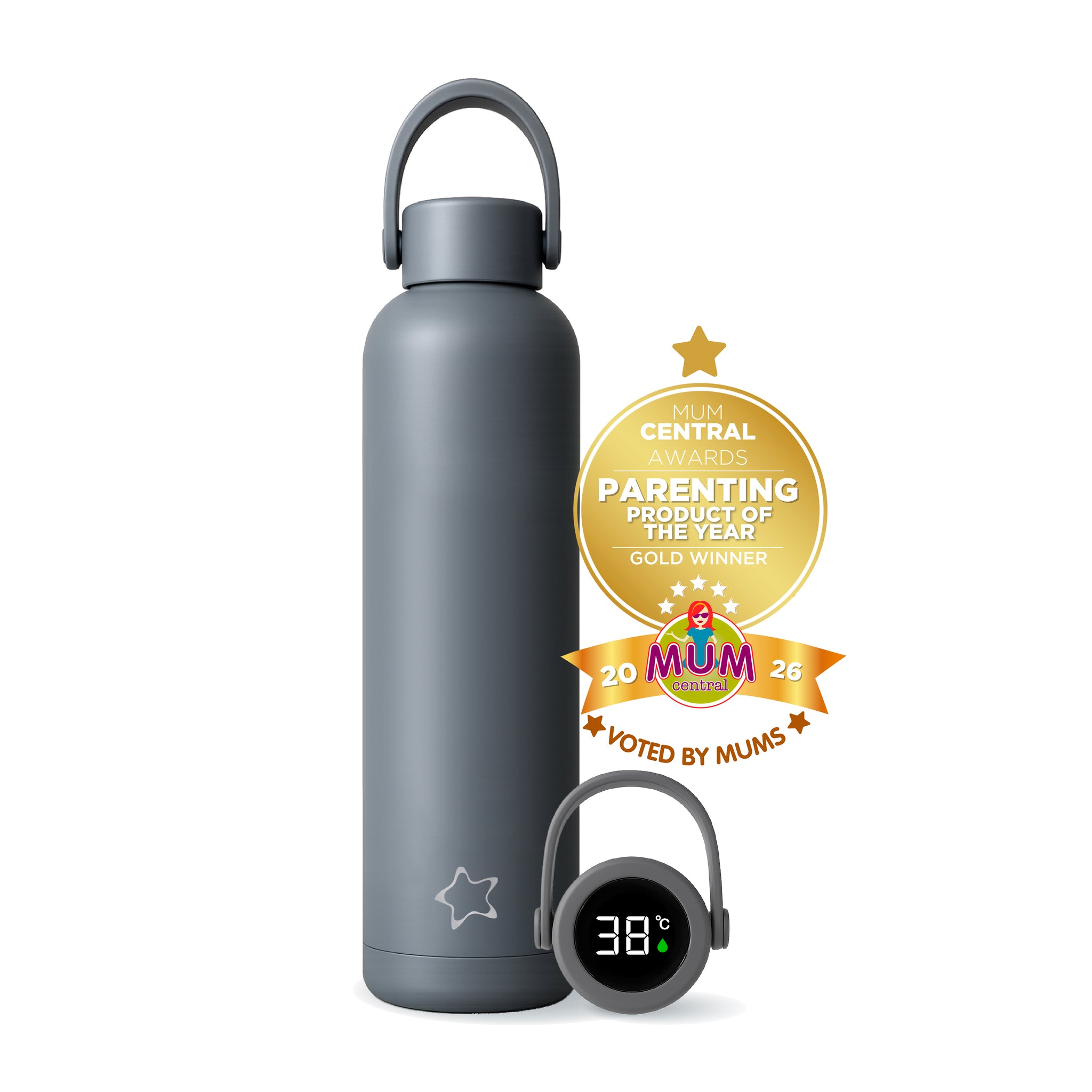
For parents who need warm water while travelling, the Cherub Baby Instant Warm Smart Flask can make feeding on the go more convenient. It keeps water warm for hours and features a built-in temperature display, so you can check the temperature at a glance.
If you're looking for an easier way to manage feeds when you're out, explore our travel bottle warmer collection.
How long does prepared formula last?
Knowing how long a bottle can safely be stored can help you avoid unnecessary reheating and reduce waste.
As a general guide:
-
Freshly prepared formula at room temperature: Follow NHS guidance and use the feed within the recommended timeframe. If it has been sitting out too long, discard it.
-
Prepared formula stored in the fridge: If you've prepared it in advance, cool it quickly and keep it in the fridge at 5°C or below. Use within 24 hours.
-
Warmed formula: Use promptly and don't cool it down and reheat it again later.
-
Formula your baby has already drunk from: Don't save leftovers for another feed. Discard what's left.
Always follow the instructions on your formula packaging and the latest advice from the NHS, as preparation and storage recommendations can vary depending on the circumstances.
Frequently Asked Questions
Can you reheat formula twice?
No. Formula shouldn't be repeatedly warmed, cooled and reheated. If you've warmed a bottle and your baby doesn't finish it, don't put it back in the fridge for another feed.
Can you put warmed formula back in the fridge?
It's best not to. Once a prepared feed has been warmed, use it promptly rather than cooling it down and reheating it later.
How long can formula sit out before it needs to be discarded?
Prepared formula shouldn't be left at room temperature for extended periods. Follow the storage instructions provided by the NHS and the formula manufacturer. If you're unsure how long a bottle has been sitting out, it's safer to discard it.
Is it safe to reheat formula in the microwave?
No. A microwave can heat formula unevenly and create hot spots that could burn your baby's mouth. Warm the bottle using warm water or a suitable bottle warmer instead.
Can I reuse formula my baby didn't finish?
No. Once your baby has started drinking from a bottle, don't save the leftover formula for another feed. Your baby's saliva can introduce bacteria into the milk, so the remaining formula should be discarded.
What temperature should formula be?
Formula doesn't have to be warm for your baby to drink it. Some babies are happy with room-temperature or cool formula.
If your baby prefers a warm bottle, it should be comfortably warm rather than hot. Test a few drops on the inside of your wrist before feeding.
This article is intended as general information for parents in the UK and is not a substitute for advice from a midwife, health visitor, GP or other qualified healthcare professional. Always follow the instructions provided with your infant formula and check the latest NHS guidance for safe preparation and storage.
Sources: NHS guidance on making up infant formula and safe bottle feeding.


